The Basics of Risk in Gambling
Gambling is fundamentally about taking risks, where individuals wager something of value with the hope of gaining a greater reward. The psychology behind this decision-making process is complex, involving various cognitive biases and emotional factors. Players often underestimate the true odds of winning, influenced by their desire for immediate gratification and the thrill of risk-taking. This desire can lead to irrational decision-making, where the excitement of the game overshadows logical reasoning. When considering options, players should be aware of platforms that provide convenient payment methods, such as aus pokies payid, which enhance the overall gambling experience.
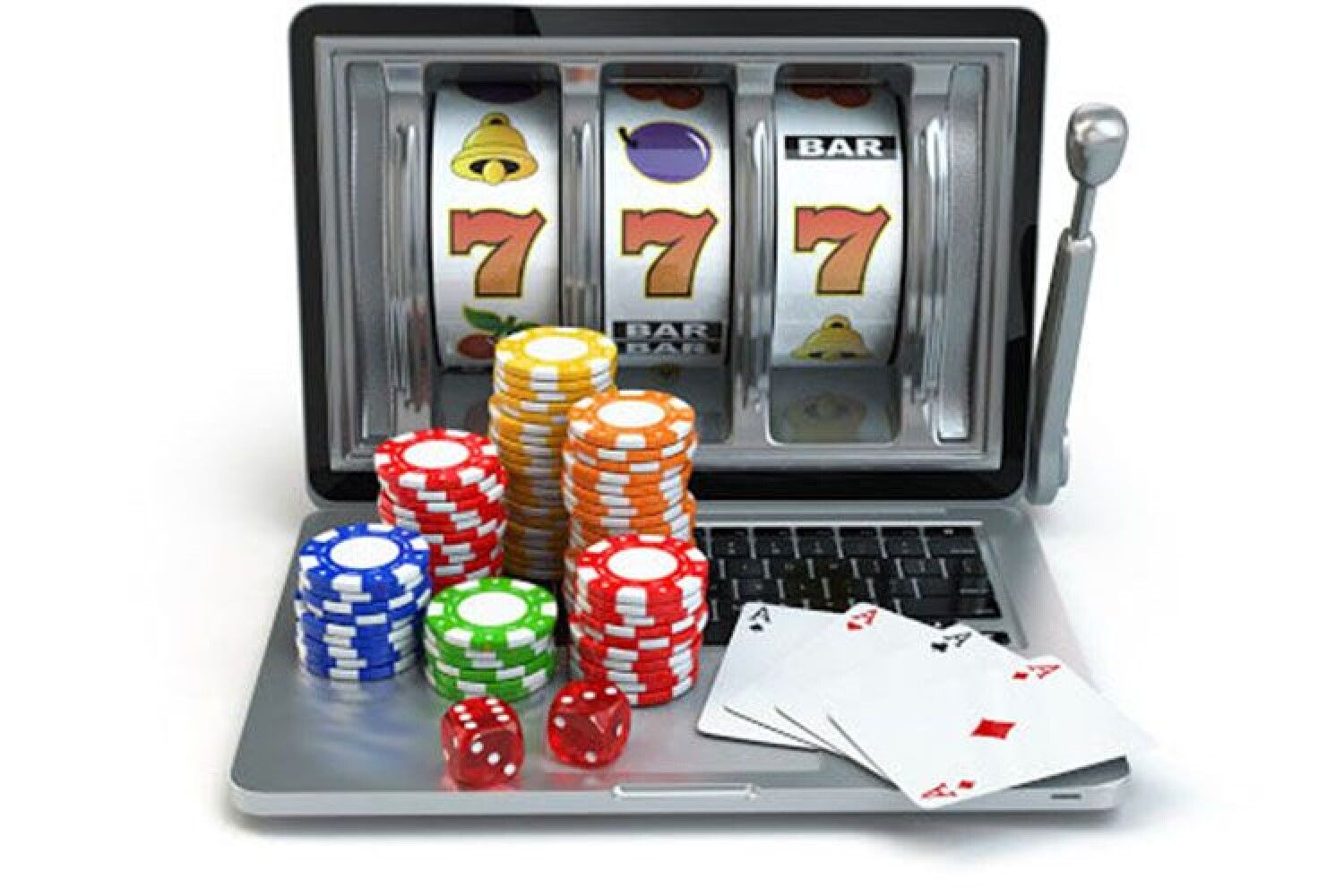
Moreover, individuals are often drawn to high-risk situations due to the potential for large rewards. This phenomenon, known as risk-seeking behavior, is rooted in the brain’s reward system, which releases dopamine, a neurotransmitter associated with pleasure, in anticipation of a win. Understanding these psychological underpinnings can help clarify why some players continuously engage in gambling despite the inherent risks involved.
The Role of Cognitive Biases
Cognitive biases play a significant role in gambling decisions, shaping how players perceive risk and reward. For instance, the illusion of control bias leads gamblers to believe they can influence outcomes in games of chance, such as slots or roulette. This false sense of control often results in increased wagering and can contribute to problematic gambling behaviors.
Another common bias is the availability heuristic, where individuals judge the likelihood of an event based on how easily they can recall similar instances. For example, hearing about a friend’s big win can skew one’s perception of the actual odds, leading them to take greater risks. These cognitive biases can distort a player’s understanding of reality, making it essential for gamblers to recognize and address them to make more informed choices.
Emotional Influences on Gambling Behavior
Emotions significantly impact gambling decisions, often leading to impulsive and risky choices. For many individuals, gambling serves as an escape from stress, anxiety, or boredom, compelling them to take greater risks in hopes of achieving a positive emotional state. This emotional reasoning can lead to excessive gambling and financial losses, as players may continue wagering to chase the highs of winning or to recover losses.
Furthermore, the emotional rollercoaster of gambling—marked by the peaks of winning and the troughs of losing—can create an addictive cycle. The fear of loss often overshadows the potential for gain, causing players to engage in riskier bets to avoid feeling the pain of losing. Understanding the emotional components of gambling behavior can help players cultivate healthier gambling habits, promoting responsible gaming practices.
The Impact of Social Factors
Social influences are another crucial component in the psychology of gambling. Friends, family, and societal norms can significantly shape an individual’s approach to risk. For example, in social settings where gambling is normalized or celebrated, individuals may feel pressured to engage in riskier behaviors to fit in or seek validation from peers.
Additionally, the advent of online gambling has transformed social dynamics, allowing individuals to gamble in isolation or engage with others in virtual environments. This can lead to a lack of accountability and heightened risk-taking, as the anonymity of online platforms may diminish the perceived consequences of gambling. Recognizing these social factors is vital for understanding individual gambling behaviors and promoting a balanced approach to risk.

Enhancing Your Gambling Experience Responsibly
For those interested in exploring the world of online gambling, resources like PayID Pokies are invaluable. This platform not only provides insights into the best online pokies in Australia but also emphasizes responsible gambling practices. By focusing on safe banking options and quick transactions, players can enhance their overall experience while maintaining control over their spending.
Ultimately, understanding the psychology behind risk in gambling decisions is essential for fostering a healthier relationship with gaming. By being aware of cognitive biases, emotional influences, and social factors, players can make informed choices that enhance their enjoyment while minimizing potential negative impacts. With the right resources and a commitment to responsible gambling, individuals can navigate the thrilling world of online gaming with confidence.